

By Jack Cumming
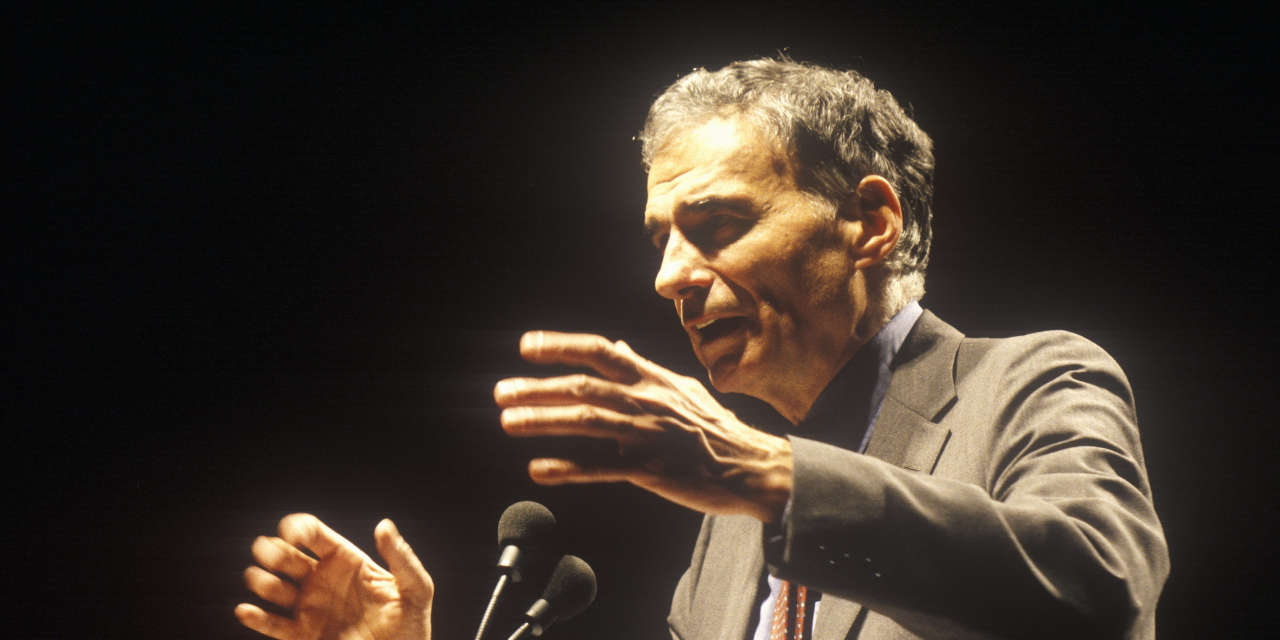
The article, smack in the center of the front page of the New York Times for August 18, 2026, instantly caught my eye. The headline: “At 92, Nader Is Still Asking You to Listen.” It can be unsettling to see yourself reflected in a contemporary. Ralph Nader was three years ahead of me when I was in college. He was Princeton ’55, and I was Class of ’58. I’ve been aware of his intensity for the past 72 years. I don’t remember how I first became aware of him when I was a Freshman, but I did.
Unsafe
Ralph Nader first came to public view when he published a book, “Unsafe At Any Speed,” in which he alleged that the auto industry put marketing before safety. General Motors responded by initiating a campaign of intimidation in which they investigated Nader to try to dig up dirt on him; hired women to try to entrap him; and tried to smear him as anti-Semitic. The book led to the National Traffic and Motor Vehicle Safety Act of 1966.
Mr. Nader was a national force for justice and other causes in his time, but his time passed. He ran four times for President, first with the Green Party and then as an Independent. He formed a group of young activists called “Nader’s Raiders” to pursue causes. He’s always lived an ascetic, frugal life, which was an advantage when GM unleashed its resources on him.
Benjamin Oreskes in the Times article puts it this way: “Communicating with Mr. Nader typically means talking to him via his landline. He does not own a cellphone, a computer, or even a credit card.” Mr. Oreskes continues: “He lives an almost hermetically sealed life in Washington, D.C., where he shares a home with his 98-year-old sister, Claire Nader.”
Lessons for Senior Living
This has many lessons both for senior living and for me. I’ll get to me later. Senior living has no entity with the scale that General Motors had when Nader’s book appeared, unless we view the collective membership of LeadingAge as an entity. LeadingAge has emphasized providers’ beliefs, combating ageism, and semantics. Recently, there has been a flurry of negative media coverage, which providers counter either as unjustified or as isolated exceptions. That’s not dissimilar to where the auto industry was before the Motor Vehicle Safety Act. In 1953, the CEO of GM said something like, “What’s good for General Motors is good for the country.”
What might a book comparable to “Unsafe at Any Speed” do to the senior living industry’s reactive defensiveness? I’ll let you imagine what the title might be. Thinking of possible hostile book titles can be, and should be, unsettling. Fortunately for the industry, the book, “Inflamed,” hasn’t caught on with the public and wasn’t titled “Unsafe for Habitation.”
That book’s description on Amazon reads: “The dramatic story of hundreds of senior citizens left in the path of a ferocious firestorm and what the quest for accountability reveals about the increasing risks to our most vulnerable population.” The best approach would be a proactive effort to give people what they could embrace with no more reservations than the cruising industry draws.
Thinking Constructively
Coincidentally, today, August 18, 2026, John Cochran, CEO of HumanGood and one of the most respected senior living industry leaders, posted a profound message on LinkedIn. He calls for focusing the mission on “more good years for more people.” There’s no mention of minimum age, what the product is called, or nonprofit/for-profit. Just a simple call for the industry to improve the lives of people.
That would require dynamic, charismatic leadership at the national level. It would require transforming the mindset of the industry to see customers instead of residents. And, yes, that’s a semantic change that LeadingAge might miss. It would require seeing those customers as individuals and not as a collective. Our cars are safer today because Ralph Nader took on an industry and started a movement toward customers instead of corporate aggrandizement. Think of what “more good years for more people” could do for you, and for all of us.
My Cause
Now back to the “me” part. I’ll be 90 on September 9th, so I’m entering that twilight zone that Ralph Nader now inhabits as detailed in today’s New York Times article. For the past twenty years, I’ve tried to persuade the industry that it’s in the industry’s own interest to listen to its customers. I’ve done that in every way I can think of, including writing articles like this one.
Frankly, I don’t think that effort has made much headway. Senior living is not an industry that takes resident thinkers seriously. Despite the move to have minority resident representation on senior living community boards, LeadingAge has not one single resident on its Board, much less one who could actually speak authoritatively with providers about their challenges and opportunities. I don’t regret one iota of what I’ve done.
Still, reading about Ralph Nader today held up a mirror to me. As we move into our 90s, the world sees us as having run our course, even as kinda cute as we continue with what would have been taken seriously just a few years ago. It’s time for a younger generation to step forward to make a difference. We can improve our world, or we can stagnate. The future beckons. It will be whatever we choose to make it.
We oldsters – beyond mere older adults (the term that now seems semantically to be superseding “seniors”, “elders”, “retirees”, etc.) – still care about the world. We oldsters still believe we have something to contribute. But the truth is that in the eyes of the world, we’ve run our course. “Weep no more, my lady. Oh! weep no more today!” As one generation moves on, another comes to take its place.



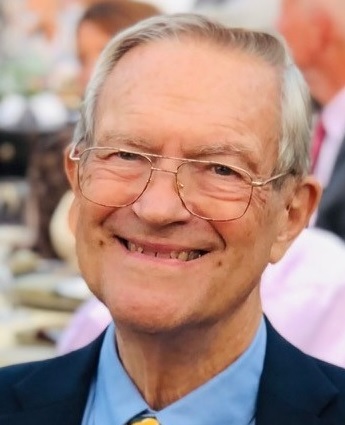


Thank you, Jack, for everything you did and you are doing. Happy Birthday!