
By Steve Moran
This will be one of my weirder articles. I am pretty sure.
A few weeks ago, The Wall Street Journal published this article: “More Americans Are Aging Alone. One Woman Told Us What It’s Like.” It is also a topic my friend Sara Zeff Geber is 100% devoted to.
For some strange reason, this seemingly ordinary article evoked much stronger emotional feelings than I would have ever imagined.
The Story (in case you can’t access it)
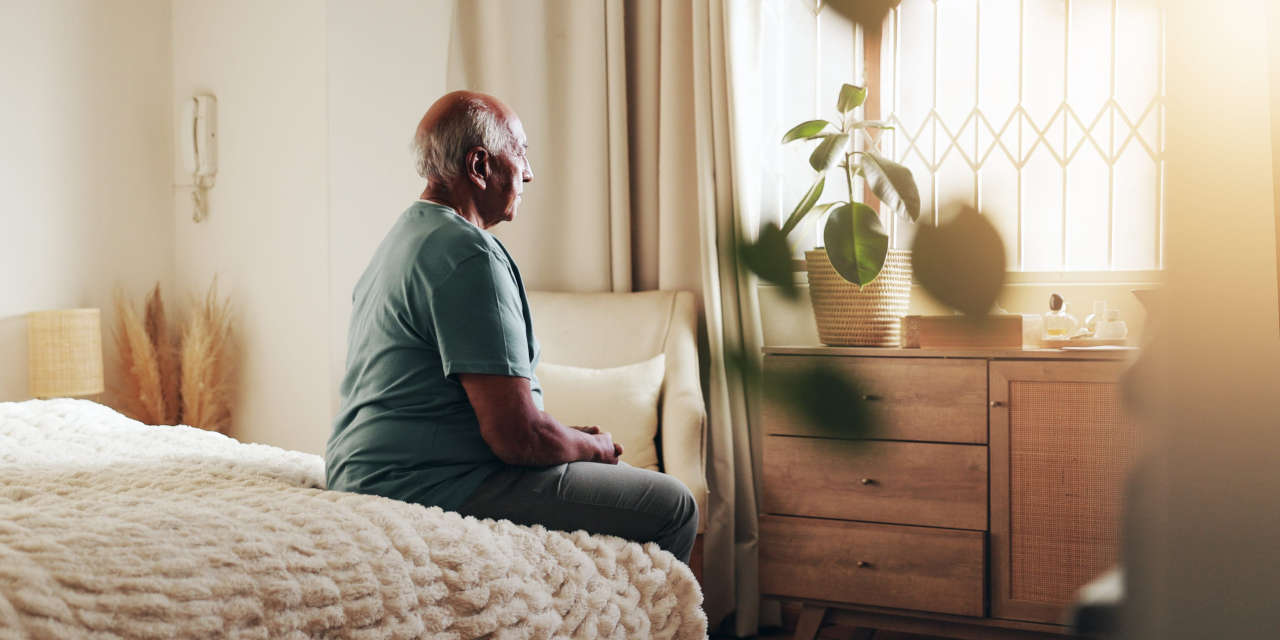
There are roughly 12.5 million people over 50 with no spouse or children. This article profiles Amy Kant, a 65-year-old single, childless artist in Watertown, Massachusetts, as one example of that growing “Solo Ager” population. After back surgery and a heart valve replacement, Kant faces mounting decisions alone: naming a power of attorney, drafting a will, deciding who inherits her assets, and eventually selling her condo for a home without stairs. She relies on friends for caregiving support and healthcare proxy duties, but acknowledges the limits of chosen family. She’s given herself one year to finish her estate planning.
The Emotions …
What went through my head was something like this: “I am sure glad I don’t live alone and have to make those decisions … “
Then all the stuff I am responsible for became a kaleidoscope in my head. Money, healthcare, healthy living, “I am going to die someday,” navigating the healthcare system.
More than anything else, it felt overwhelming and exhausting, and all I was doing was reading an article about someone else and making it all about me, which made me nuts.
It’s Maddening
We live in a society where aging is maddeningly complex and expensive.
I am pretty sophisticated. I work adjacent to the healthcare system. I have spent a lot of time thinking about and understanding how it works. I am pretty well-versed, from a consumer perspective, in what good health looks like.
And I still felt overwhelmed reading about someone else’s life. So what about the people who don’t do this for a living? Who don’t have a wife, a company, a team around them?
As a nation, we need to do better. As an industry, we should be asking: Are we part of the problem or part of the solution? How can we make it better?




Not weird at all, more like what younger boomers are experiencing every day with their friends, family members and parents. Navigating the complexities of the US Healthcare system is challenging to begin with. Add in the day-to-day responsibilities of caregiving for a loved one, while working and managing your own life, and it can all reach overwhelm pretty quickly. It pains me to think that our representatives in Washington have free health care for the rest of their lives while many Americans barely survive using the Affordable Care Act, Medicare or Medicaid. What happened to “public service?”