

By Rebecca Wiessmann
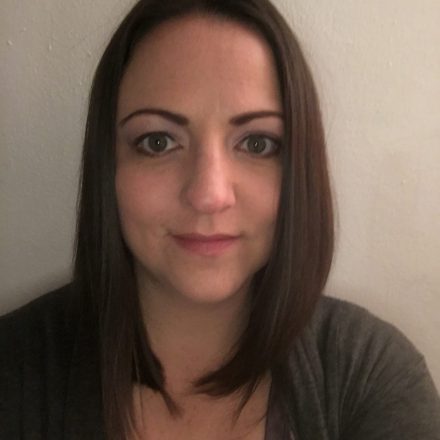
In this episode of Foresight TV, Steve sits down with Erin Shadbolt, CEO of Ascension Living, for a conversation about senior living, health care, staffing, culture, storytelling, and what it means to lead with purpose. You can watch the full livestream here.
Erin Shadbolt did not come into senior living through the traditional path.
She is a nurse by background. Much of her career has been in post-acute care and hospice. Before joining Ascension, she worked at the Mayo Clinic, helping launch its home hospital program — an experience that confirmed something important for her: she cares deeply about people receiving care in the place they call home.
She is less interested in hospital-level care as the center of the universe. That matters because today she leads Ascension Living, a senior living organization within Ascension, a large nonprofit Catholic health system. Ascension Living includes 17 communities and four PACE centers across multiple states.
And that puts Erin in a fascinating place. She is leading senior living from inside a health care system, with a nurse’s brain, a CEO’s responsibilities, and a front-row seat to the messy relationship between hospitals, hospice, skilled nursing, assisted living, and residents’ actual lives.
A Nurse’s Way Of Leading
Steve asks Erin what it means to lead senior living as someone who came from nursing rather than business.
Her answer is simple and powerful …
Nurses are trained to ask, “What does this person need to achieve their goals?”
That is not a side issue in senior living. It’s the whole thing.
A nurse’s instinct is to start with the person, not the margin. Erin is quick to say that finances matter and that she has a strong team around her to remind her of that. But her default decision-making lens is people first. That is both refreshing and challenging. Because senior living talks a lot about person-centered care. But the operational pull is often toward managing groups, categories, policies, and populations. Erin’s nursing background pushes in the other direction.
Every resident is a person.
Every decision is a tradeoff.
Every care plan needs to fit the actual human being in front of us.
Hospice, Senior Living, and the Hard Tradeoffs
One of the richest parts of the conversation is around hospice and senior living.
Erin has now lived on both sides of that relationship. She has worked in hospice, and now she leads communities that partner with hospice providers. Her perspective is that much of the friction comes from misunderstanding. Hospice providers and senior living teams are often trying to serve the same person well, but they may not fully understand each other’s responsibilities, constraints, or regulatory realities.
Steve shares a personal story about his 93-year-old stepfather, who has dementia and has been in hospice. When sundowning became more difficult, the hospice nurse suggested increasing medication. But because he is already unstable on his feet, Steve pushed back. More medication might reduce agitation, but it could also increase fall risk.
That is the dilemma, and there is rarely a perfect answer.
Erin points out that hospice nurses are often trained to manage symptoms pharmacologically, especially when the person is living at home, and family caregivers are exhausted. In a senior living community, the calculus may be different. There may be staff, life enrichment, distraction, routine, and environmental interventions that can help without immediately increasing medication.
The key is that the decision has to be situational. For one person, medication may be the right tradeoff. For another, the priority may be mobility, alertness, or engagement. This is where senior living has to resist the temptation to manage everyone the same way.
Senior Living Is Health Care — And Also Home
Steve raises one of the industry’s big identity questions: Is senior living healthcare, or is it lifestyle?
Erin’s answer lands in the real world.
People usually don’t move into senior living just for life-enrichment activities. They move because something about living alone at home has become harder or unsafe. Often, there is a health-related reason, even if the community experience also becomes meaningful, joyful, and social.
That does not mean senior living should feel like a hospital. It does mean the industry needs to be honest about the health care role it already plays.
Ascension Living is intentionally aligning more closely with Ascension’s hospital footprint, especially around skilled nursing and hospital partnerships. Erin sees senior living as part of the solution to one of hospitals’ biggest problems: getting people safely discharged from the hospital.
Hospitals often see senior living only when something has gone wrong — a fall, a fracture, a medication issue, a UTI, a return to the emergency room. They do not see the hundreds or thousands of residents who are thriving, stabilizing, getting stronger, or living better because of the community.
That creates a distorted picture. The answer, Erin says, is storytelling.
Tell Hospitals What Happens Next
Erin offers one of the most practical ideas of the whole conversation: Senior living communities should send stories back to their hospital partners.
When a hospital refers someone, the story should not end at discharge. Four weeks later, eight weeks later, or even sooner, the community can send a short update. Here is how Mr. Smith is doing. Here is how his family is doing. Here is what we learned about him. Here is how his life has improved.
That kind of storytelling changes the relationship. It helps hospital leaders see that senior living is not just a discharge destination. It is a place where people can recover, stabilize, connect, and often avoid returning to the hospital.
Steve connects this to his own family experience. The memory care home where his stepfather now lives regularly sends photos of him playing games and participating in activities. Those pictures tell a story. They build confidence. They show that something good is happening.
Senior living needs more of that — not just for families, but for hospitals, referral sources, and the broader public.
Small Innovations, Big Human Moments
Erin also shares a story from one of Ascension Living’s memory care communities in Chattanooga, Tennessee, where they recently introduced something called the Cradle. It is a musical instrument activated by human touch. Residents hold hands in a circle, form a closed electrical circuit, and then touch different people in the circle to create sounds. One setting makes animal noises.
During one of the first uses, a resident who had been nonverbal began talking about cats. That is the kind of moment that does not show up neatly on a spreadsheet. But it matters. It combines touch, music, control, connection, memory, and joy. It is exactly the kind of intervention that reminds us senior living is not merely about safety. It is about aliveness.
Erin also tells the story of a resident who moved from independent living into assisted living after a fall. With therapy and support, she grew stronger, returned to independent living, and is now helping lead fitness classes.
Her words to the team: “You saved my life.”
That is the work.
Staffing Gets Better When People Are Treated Better
When Erin arrived at Ascension Living, agency staffing was a major issue. Roughly 45% of productive hours were coming from the agency. Today, that number is closer to 10%.
The improvement did not come from one magic trick. It came from doing a lot of human things better.
Ascension Living worked on wages, benefits education, orientation, nurse educators, recognition, communication, and leadership visibility. Erin sends videos to associates. She rounds in communities. She holds coffee conversations with frontline team members — without their direct leaders in the room.
That last detail matters. People talk differently when the boss’s boss is present, but their immediate supervisor is not.
Steve brings up another operator who dramatically reduced turnover after getting rid of a punitive time-and-attendance policy. The philosophy was simple: Treat people like adults. Assume that if someone calls off, they have a reason.
And call-offs went down. That should not feel radical, but in too many organizations it does.
Erin agrees that senior living has often treated associates like shift workers, when in reality they are companions, caregivers, friends, and sometimes the closest thing to family that residents interact with every day.
They should feel valued.
They should feel loved.
They should feel like they belong.
Practical Leadership, One Small Step At A Time
The conversation closes with a discussion of Practical Passionate Leadership, Foresight’s Substack, which gives leaders simple, usable ideas for building stronger teams.
Erin says she uses it in leadership meetings at Ascension Living, often as part of the opening reflection. For her, the value lies in how it combines core leadership principles with practical challenges to rethink everyday work.
One example that stuck with her was a piece about meetings. Do you really need this meeting? Erin says she has been rethinking her own meetings and admits she probably does not need most of them.
That is the kind of leadership development that works — not giant theory, not another binder, not a leadership retreat that gets forgotten two weeks later. Just a practical idea that changes what a leader does this week.
The Future Requires Different Leadership
The biggest theme running through the conversation is that senior living is changing. What exists today may not meet the needs of residents, families, hospitals, and team members five or ten years from now.
Senior living needs stronger health care partnerships.
It needs better storytelling.
It needs more individualized care.
It needs more creativity in memory care and wellness.
It needs to treat frontline workers like adults.
And maybe it needs more leaders who think like nurses — leaders who naturally begin with the question:
What does this person need to achieve their goals?
That question might just be the future of senior living.