

By Leslie Quintanar
My dad passed away on June 10th at 3:19 p.m. To say the least, we had a very complicated relationship. For the last seven months, I was the one who managed his frequent hospital and skilled nursing stays.
When I got “the call” early that morning that he had been taken back to the hospital and was intubated, I knew the time had come.
We had talked about hospice multiple times, and he wasn’t ever quite sure that he wanted to take that step. But I knew, beyond a shadow of a doubt, he would never have wanted to be hooked up to tubes and all the corresponding paraphernalia. That made the decision easy when I got to the hospital. I was able to get hospice started right away, and he passed peacefully within an hour of removing the tubes and IVs.
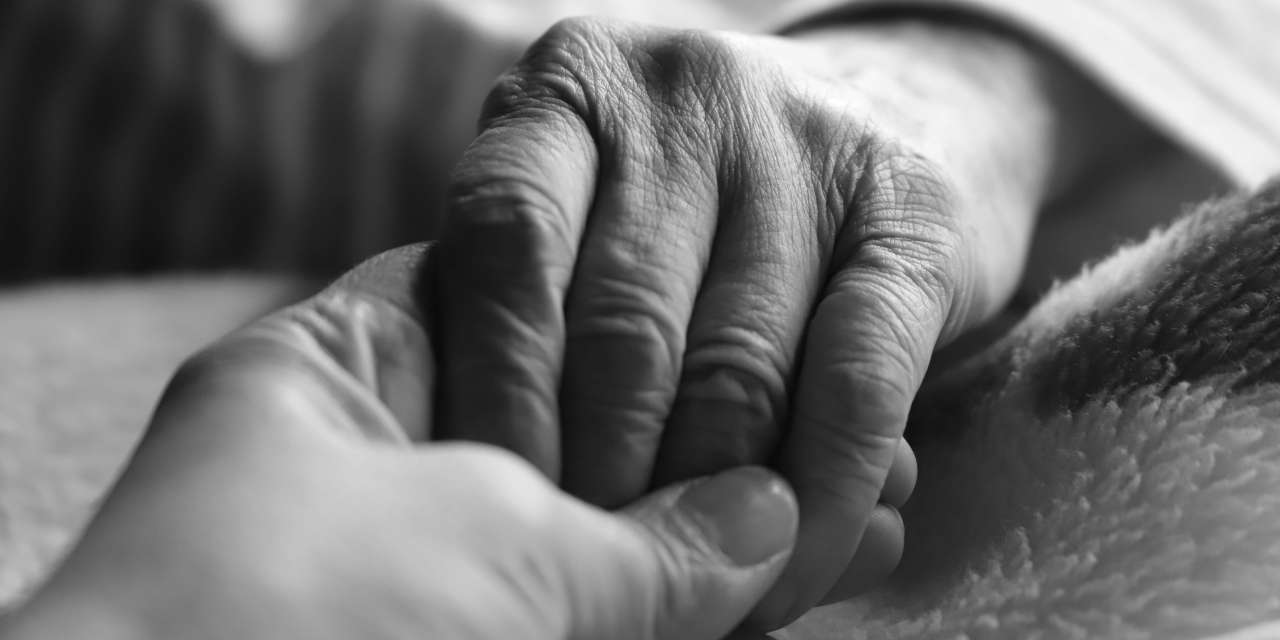
I am so very grateful that I got to be with him at his bedside, playing his favorite song, holding his hand, and reading him some scripture. I am hopeful he knew I was with him in those last moments.
Why I Share This …
I share all this not because I am trying to solicit sympathy, but because I work in the senior living space, and after 20+ years, this is the first time it’s been this personal. It has prompted me to reflect on how I can use this experience to become a better practitioner of my own vocation.
While I am sure I will have additional thoughts over time, here are my big takeaways …
- You must advocate for your loved ones because no one else will. I cannot emphasize that enough. When I think about all the residents my organization oversees, I realize many do not have people who can or will do this, which makes me even more resolved to ensure that our care is not only compassionate but that we speak up for those who do not have a voice to do so themselves.
- While having hard conversations is never easy, it’s imperative to make sure you know your loved ones’ wishes. I became my dad’s POA a few months ago, and I’m thankful we were able to have those conversations, so I didn’t have to wonder what he would have wanted.
- Our healthcare system is broken. I work in this space and saw a number of things that shouldn’t have happened. Instances when I should have been consulted, but wasn’t.
The best example of this was when I arrived at the hospital and found he was wearing a DNR band, yet was still intubated. Several similar things happened during his last six months, and I am convinced there would have been more if I had not been there.
It is simply not safe to assume that people in healthcare positions will always make the right choices for your loved ones. You need to be educated and active in their care. I want to always assume good intent, but at the same time, trust needs to be earned. - There are so many amazing people who work in the senior living and long-term care space.
My dad was not always the easiest to deal with, and I had a challenging relationship with him throughout my life, but the people who cared for him in these final months did not share that history.
Person after person at both the hospital and the skilled nursing facility told me that he was one of their favorite patients and that they loved caring for him. It was both surprising and comforting that the man I had long known to be so difficult was well-loved by so many others.
It has allowed me to think about him in a different light, to see him from a different vantage point, to lay down much of my history and baggage, and see a different man. - AI can do a lot of things, but it will never be able to replace the human element, the uniquely human ability to reach out and share sorrow. The big idea that we are all in this together.
I am still grieving, and it is painful to say I never had the relationship with my dad that I wished for. I’m so thankful that so many others walked the path of losing him with me. Family, friends, employees, and even Lyft drivers carried me through this experience.
I’m incredibly thankful to have “jumped” the fence to the other side and experienced this not as an operator but as a daughter.
As I return to work, I’ll carry this with me and allow it to serve as a reminder that we are in the business of caring for people. It’s often messy, complicated, and hard, but being there makes all the difference in the world.





Thank you for sharing your story, Leslie – I am so sorry for your loss. Having lost both parents while working in this space, I am grateful for the ways our work helped me advocate and guide our family, but it’s always a crash course, for sure. I’m grateful for ways walking with parents and in-laws informs my understanding of resident needs. Losing a parent, regardless of the complexities, is life changing. Your work in senior care will be forever changed in surprising ways that honor your care of your dad while impacting your community teams and residents.
Gosh Leslie, thank you so much for sharing this. As someone caring for my father as we approach the same stage in life you just experienced, I appreciate your words and echo everything you said. My mom was a hospice nurse for 30+ years and shared so many wonderful (and horrible) stories of end-of-life care. All I can say is that your comment around being an advocate is truly a requirement…sad, but true.