

By Rebecca Wiessmann
This article is part of Murry off the Mic. Watch the full episode here.
Murry’s second defining story shifts from staff culture to resident care — and it changes the temperature of the entire episode.
He remembers one of the first residents who moved into Aspen House: carrying a “thick chart,” with diagnoses that intimidate even experienced professionals — Lewy body dementia and Parkinson’s.
The resident was living with hallucinations, fear, urgency, and a constant sense that something critical was being missed — like needing to pick up kids from the bus stop.
Murry and the team tried what most systems default to:
Doctor visits.
Orders.
Medication changes.
Documentation.
And none of it fixed the problem.
What Actually Helped
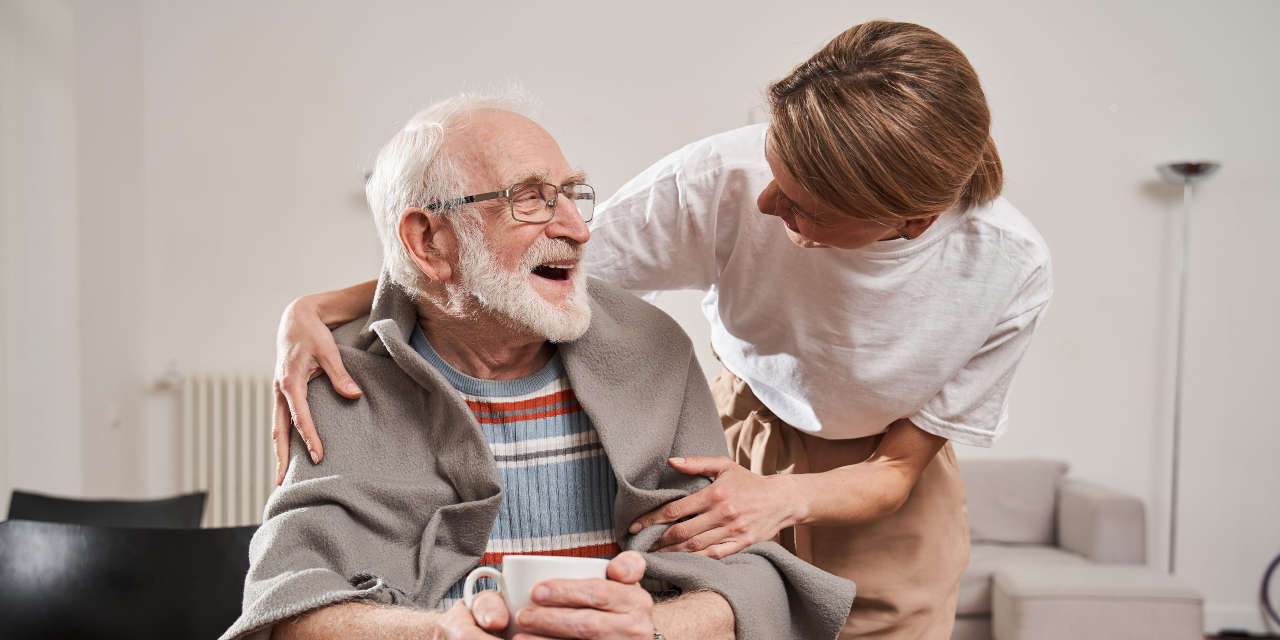
Murry says the only thing that helped was presence.
A willingness to sit in a low-lit room with calm energy.
A willingness to share the space.
A willingness to be there in the fear without trying to “solve” it too quickly.
Some nights included talking.
Some nights included crying.
Some nights included laughter at the absurdity of what life brings.
Sometimes it’s a hug. Sometimes it’s ice cream.
And the point isn’t that the nights are magical. The point is that they are repeated.
They show up again the next night.
And the next.
And the next.
This is the version of leadership and care that the podium of leadership can’t teach.
Because it isn’t about knowing what to do.
It’s about being willing to be there.
Belonging As A Clinical Intervention
Murry connects the resident story back to the staff story — and he draws a straight line through both:
Culture is the product of the environment.
When staff feel seen, heard, and supported, they show up differently.
When residents feel known and included, everything changes.
Belonging isn’t a “soft” idea in that framing. It becomes a practical tool that affects behavior, resilience, and care outcomes.
It changes how staff treat each other.
It changes how residents experience their own identity.
It changes what people believe is possible on a hard day.
Why This Is The Right Premiere
This episode works as a launch because it isn’t trying to impress anyone.
It’s trying to locate the truth about leadership where leadership actually lives: in the quiet, repeated moments where presence becomes a practice.
Murry’s invitation to the industry is clear:
Bring the stories that don’t fit a keynote.
Bring the moments that shaped you.
Bring what you think when you’re not performing.
Because in senior living, care doesn’t come from having the perfect answer.
It comes from showing up.






Caregivers being “present” is always the most important part of care beyond life sustaining measures. When each individual resident feels: heard, cared for, seen as a whole person (not their disease their identity). That is healing when on a consistent basis.