

By Rebecca Wiessmann
In the first episode of “Rewriting the Rules with Cayden Ridgeway,” Steve sits down with Cayden, chief growth and experience officer at Milestone Retirement, for a conversation about what happens when the next generation of senior living leaders decides the industry needs more than incremental improvement. You can watch the full episode here.
The premise of the new series is simple, but not small: Senior living can do better.
Not just a little better. Not just cleaner buildings, better brochures, nicer dining rooms, or a few technology upgrades. Cayden is talking about a deeper reset — one that challenges the assumptions senior living has carried for decades.
He calls it “rewriting the rules” because, in his view, the industry has spent too much time operating from a legacy mindset. The way things have always been done is not necessarily the way things should continue to be done.
And that matters because the customer is changing. The workforce is changing. The economics are changing.
And, perhaps most importantly, the expectations around aging are changing.
Getting Out Of The Legacy Headspace
Cayden has grown up around senior living and now leads major areas of the resident experience at Milestone, including culinary, engagement, sales, and other operational functions. That gives him a unique vantage point. He is not an outsider taking cheap shots at the industry. He is an insider who believes deeply in the promise of senior living — and also believes it has left too much potential on the table.
Steve points out that one of the reasons this new series matters is that the industry needs younger voices. Senior living has plenty of seasoned leaders with deep experience, but the next wave of leadership brings a different lens. They are not as attached to the industry’s old operating models. They are more willing to borrow from hospitality, entertainment, technology, and consumer brands.
That is where disruption begins.
Cayden is clear that the work is not theoretical. At Milestone, the focus is twofold: to improve financial performance and to dramatically elevate the resident experience. He rejects the idea that third-party operators are trapped by permanently lower margins or limited options. Yes, the business is more difficult than it was before COVID. Yes, margins are harder to achieve. But he argues that operators can still perform at a higher level if they are willing to get creative.
That creativity does not mean sacrificing care.
It means questioning every assumption about how the business operates.
Better Margins And Better Experiences
One of the most interesting parts of the conversation is that Cayden refuses to separate financial performance from resident experience. Too often, senior living talks about margins on one side of the house and hospitality on the other, as if they are competing priorities.
Cayden sees them as connected.
A stronger operating model creates room for a better experience. A better experience drives demand. Demand supports occupancy. Occupancy supports margin. Margin allows the operator to keep investing.
It is not about doing less for residents. It is about doing the right things better.
That includes bringing what Cayden calls “five-star dining” to middle-market senior living. Milestone primarily operates in the middle market, which makes the ambition even more important. The future of senior living cannot be reserved only for luxury communities with premium pricing. The industry needs to figure out how to deliver a more elevated, more desirable experience without assuming that the only answer is charging more.
This is where the old rules start to break down.
For years, much of senior living has operated as though residents should be grateful for safety, care, meals, and activities. But the next generation of residents will expect more. Their families will expect more. And the leaders who figure out how to deliver more — without destroying the business model — will have a real advantage.
A Community People Want To Live In
One of the strongest ideas in the episode comes when Cayden says he does not want people to feel like they are coming to senior living because they have to.
That sentence should stop every operator in their tracks.
Because for too many prospects, that is exactly what senior living feels like: a reluctant move, a compromise, a place chosen because something has gone wrong.
Cayden wants to flip that script.
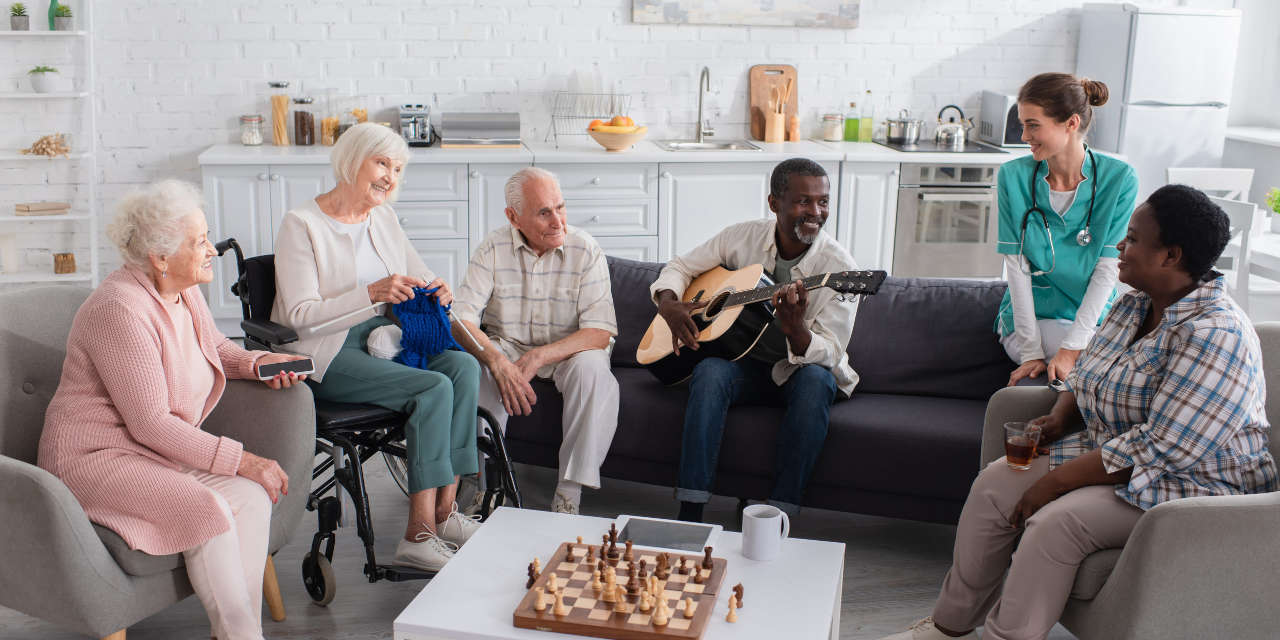
The goal is not simply to build communities where people are cared for. The goal is to build communities where people want to live. Communities that feel like an upgrade, not a downgrade. Communities where support is available but does not dominate the resident’s identity or daily life.
Steve connects this to his own personal experience, recalling how depressing it was to walk into a senior living community and see residents batting balloons around with pool noodles. Cayden agrees, and he says the industry has too often underestimated what residents are capable of and what they want.
This is not a small critique. It is a challenge to the industry’s imagination.
The First Rule To Rewrite
The first rule senior living may need to rewrite is this: Older adults are not asking for a smaller life.
They are asking for a life that still feels meaningful, interesting, social, and alive.
That means senior living cannot simply be organized around tasks, care plans, and risk mitigation. Those things matter. They always will. But if they become the whole story, the product starts to feel more like an institution than a lifestyle.
Cayden’s vision is more ambitious. He wants senior living to pull ideas from Disney, hospitality, restaurants, entertainment, technology, and other industries that have learned how to create desire.
That word — desire — may be the real disruption.
Because when people desire senior living, everything changes.
Sales changes. Marketing changes. Operations change. Engagement changes. Staffing changes. The way the industry talks about itself changes.
And maybe that is the real promise of “Rewriting the Rules.” It is not about being edgy for the sake of being edgy. It is about asking whether senior living is brave enough to become the thing it has always claimed to be: a better way to age.