By Rebecca Wiessmann
In this episode of “Rewriting the Rules with Cayden Ridgeway,” Steve and Cayden talk about a question every senior living operator should be asking: What kind of community would people actually want to move into? You can watch the full episode here.
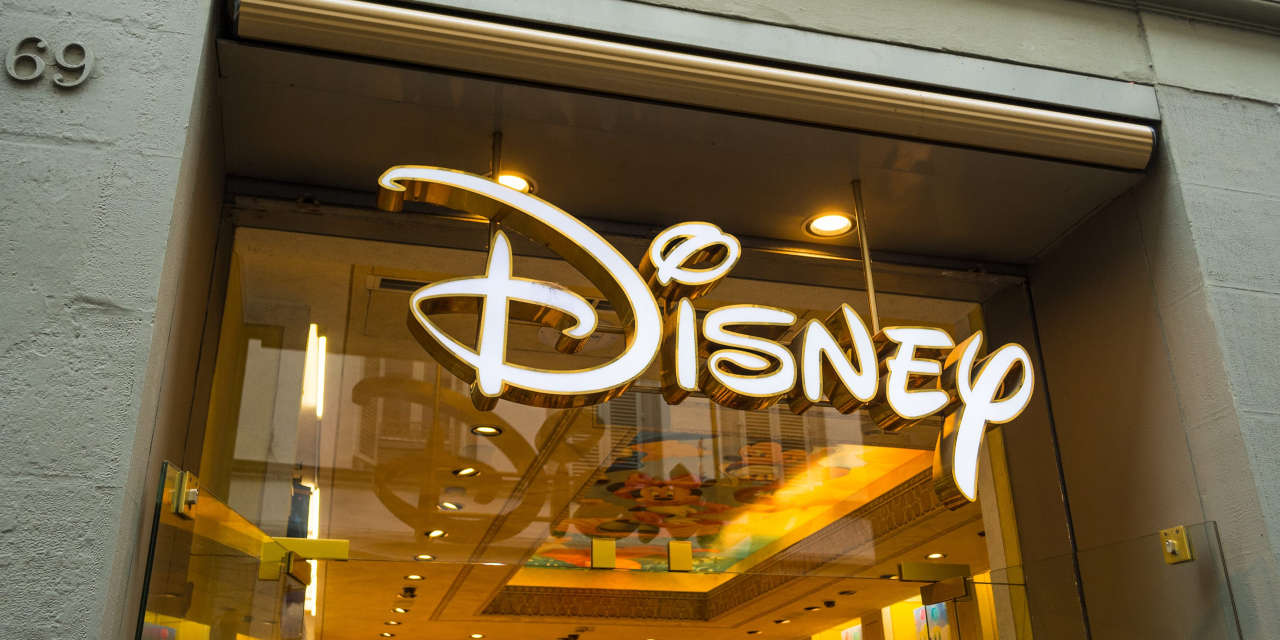
For Cayden, chief growth and experience officer at Milestone Retirement, the answer starts with a surprising north star: Disney.
Not because senior living needs characters, castles, or theme park theatrics. The lesson is deeper than that. Disney understands how to create an experience where operational complexity disappears into the background. The guest does not see the machinery. They feel the result.
That is the point.
Senior living has plenty of operational complexity. Care. Dining. Staffing. Compliance. Housekeeping. Maintenance. Medication management. Reporting. Family communication. Transportation. Sales. Engagement.
The problem is not that these functions exist. The problem is that they become the resident experience rather than supporting the resident experience.
Care Should Support Life, Not Dominate It
Cayden uses Disney’s park services as an analogy. Park services are essential to the guest experience, but they do not dominate the guest’s awareness. Guests are not constantly reminded of the systems that keep the park clean, safe, and functional.
That is how Cayden thinks about care in senior living.
Care is essential. It must be excellent. It must be reliable. It must be trusted. But the presence of care should not make a resident feel as though their life has been reduced to their needs.
This is one of the most important distinctions in the conversation.
Senior living has often been organized around what residents need help with. Bathing. Dressing. Medication. Mobility. Meals. Safety. Those needs are real, and communities must meet them well. But if the entire experience is built around decline, dependence, and risk, the community begins to feel like a place people go because they have to.
Cayden wants something different.
He wants communities where residents are supported in their ADLs and care needs, but where the daily experience still feels aspirational. Not a downgrade. Not a holding pattern. Not the last stop.
A place where life still expands.
The Pool Noodle Problem
The most memorable part of the conversation may be the pool noodle moment.
Cayden says he does not want to be 80 or 90 years old and spend his days swinging pool noodles around with his friends. He knows it is a punchy thing to say, but that is exactly why it lands.
Steve immediately connects with the image. He recalls visiting his stepfather in a senior living community and walking through an activity room where residents were batting balloons with pool noodles. The sight left him thinking, “I hope I never have to do that.”
That reaction should trouble the industry.
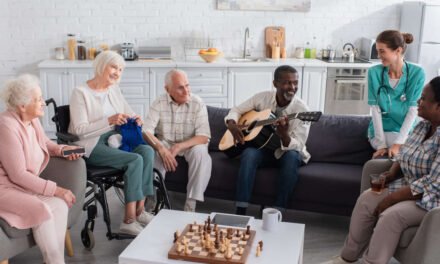
Not because every balloon game is bad. Not because light activities never have a place. The problem is when shallow programming becomes the default. When residents who are capable of more are offered less. When engagement is designed around convenience rather than possibility.
Cayden’s critique is not about one activity. It is about an industry habit: assuming that older adults need to be kept busy rather than invited into meaningful, interesting, adult experiences.
He offers a different vision.
Scotch tastings. Cigar nights. Trips to Thunder games. Groups of residents heading to Mariners games in Seattle. Engagement that has texture, energy, and personality.
In other words, real life.
Engagement Has To Grow Up
Senior living talks constantly about engagement, but the word has become too soft. It can mean almost anything. A calendar full of activities. A craft project. A musical performance. A game. A lecture. A scenic drive.
Those things are not necessarily wrong, but they are not enough.
Cayden is pushing for engagement with depth and breadth. That means experiences that reflect who residents are, not just what is easy to schedule. It means programming that respects adult identity. It means taking seriously the idea that people still want adventure, taste, beauty, competition, laughter, friendship, and surprise.
This is where hospitality matters.
Hospitality is not just better food or nicer décor. It is the art of making people feel seen, known, welcomed, and delighted. It is the difference between being served and being processed.
Senior living has spent decades building systems to keep people safe. The next challenge is building cultures that make people feel alive.
Five-Star Thinking In The Middle Market
One of the most encouraging parts of Cayden’s vision is that he is not only talking about luxury senior living. Milestone operates primarily in the middle market, and Cayden believes elevated experience belongs there, too.
That is important because if the industry decides hospitality is only possible at the high end, it will miss the bigger opportunity.
The real breakthrough is figuring out how to deliver better dining, richer engagement, stronger service, and a more desirable daily life without simply assuming residents must pay dramatically more.
That requires operational creativity. It requires better systems. It requires leadership that refuses to accept the old trade-off between margin and experience.
And it requires a more honest understanding of what today’s and tomorrow’s residents will expect.
Creating Envy
Near the end of the conversation, Cayden describes one of his biggest goals: creating the feeling of true envy.
He wants someone to look at an engagement platform, see what a grandfather or uncle is doing that day, and think, “I wish I were having that type of day.”
That may be the highest bar senior living can set for itself.
Not adequate care.
Not decent meals.
Not a full activity calendar.
Envy.
A community where adult children do not feel sorry for their parents. A community where friends visit and think, “This is actually great.” A community where residents are not simply safe but genuinely living.
That is the kind of senior living people will choose before they are forced to.
And that may be the point. The future of senior living will not be won by communities that merely explain why people need them. It will be won by communities that become so desirable that people want to live in them.