

By Rebecca Wiessmann
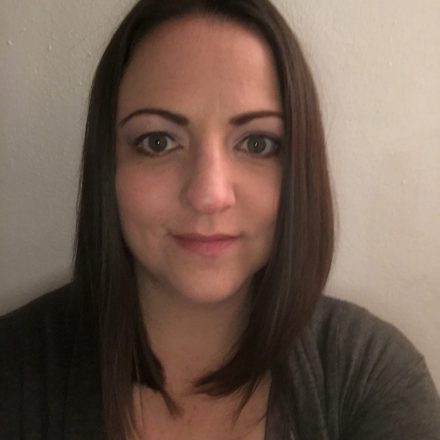
In this episode of Heard in the Halls, Lindsey Daugherty sits down with Serina Durrah, VP of Operations at Clayborn Senior Living, for a conversation senior living leaders badly need to hear. Watch the full episode here.
Serina’s story starts where senior living really happens: on the floor.
She became a CNA in high school. Her first job after graduation was as a caregiver in assisted living. Like a lot of people, she assumed it would be a stepping-stone to something “more prestigious” — a hospital, a doctor’s office, a more traditional health care path.
Then she fell in love with the residents.
One resident, in particular, became almost like a grandfather to her. Every day, he greeted her, pointed at her, asked how she was doing. That connection changes everything.
And this is the first leadership lesson senior living needs right now: People do not stay in this industry because the spreadsheets are beautiful. They stay because residents become real.
The Missing Voice At The Table
As Serina moved from caregiver to med tech, assistant care director, business office director, executive director, regional leader, and now VP of operations, she brings something with her that too many leaders lose along the way: the memory of what it feels like to be the person actually delivering the care.
That matters.
Because in senior living, decisions made in conference rooms do not stay in conference rooms. They land on caregivers. They land on nurses. They land on housekeepers, cooks, dining teams, maintenance directors, activity teams, and executive directors already trying to manage 49 things before lunch.
A process change may look smart on paper.
A labor target may look reasonable in a boardroom.
A new initiative may sound simple in a meeting.
But Serina asks the question every operator, investor, and executive should be asking: How does this affect the frontline caregiver?
Does it make the work easier?
Does it make the work more efficient?
Or does it make an already hard job harder?
That is not a soft question. It is a business question.
NOI Starts On The Floor
Lindsey pushes into the question many leaders are thinking but do not always say out loud: If an investor wants to increase NOI, why does the caregiver matter?
Serina’s answer is simple: senior living is the care business.
If the frontline team is not strong, resident satisfaction suffers. If resident satisfaction suffers, occupancy suffers. If occupancy suffers, revenue suffers. If revenue suffers, NOI suffers.
This is not complicated.
It is also not always easy.
The caregiver is not just a line item under labor. The caregiver is the person who knows whether Mrs. Johnson is eating, whether Mr. Smith is more confused today than yesterday, whether a family member is worried, whether a resident is lonely, whether a fall risk is increasing, whether the community feels warm or cold.
That is the business.
And when those caregivers are frustrated, exhausted, ignored, or unsupported, the spreadsheet eventually tells the story. It just tells it too late.
The Spreadsheet Doesn’t Show The Whole Day
Serina makes a point every ownership group should tape to the wall: When leaders only look at the numbers, they miss what happened in real life.
They see labor over budget.
They do not see five family members walking in with questions.
They do not see two residents getting sick.
They do not see one resident falling.
They do not see a coworker calling out.
They do not see a caregiver running behind, trying to serve residents well while feeling like she is failing everyone.
This is where senior living often breaks down. The people farthest from the work make assumptions about the people closest to it.
Serina’s dream is simple: Investors and executives should spend time in communities and actually witness what frontline staff are doing every day.
Not a polished tour.
Not a staged visit.
A real day.
Because a real day in senior living is messy, human, unpredictable, and full of moments that never make it into a dashboard.
Collaboration Beats Command And Control
Serina is clear that operators understand investors need a return. The goal is not to pretend margins do not matter. The goal is to create a more honest path to getting there.
That path requires collaboration.
When operators ask for something specific, they need ownership and investors to listen with an open mind. When performance needs to improve, operators need room to explain what is happening, what plans are in place, and what obstacles are real.
Sometimes progress slows because people are dealing with people problems — HR problems, resident issues, family concerns, staffing realities, or regulatory constraints.
You cannot simply “terminate everyone” because there was a bad month.
You cannot spreadsheet your way around trust.
You cannot demand performance from teams who feel ignored and unsupported.
But you can build clarity. You can build accountability. You can build trust. And you can build a bridge between the people watching the numbers and the people creating the results.
The Bottom Line
The biggest leadership mistake senior living makes is treating the frontline as the expense that needs to be managed instead of the engine that creates the value.
Serina’s journey from caregiver to VP is not just a nice career story. It is a warning.
If senior living wants better occupancy, stronger retention, higher satisfaction, and healthier NOI, leaders need to get closer to the halls.
Because the answer may not be in the board deck.
It may be with the caregiver who just finished helping a resident feel human again.