
By Rebecca Wiessmann
This article is adapted from the first episode of Heard in the Halls with Lindsey Daugherty. Watch the full episode here.
The Moment That Exposes The System
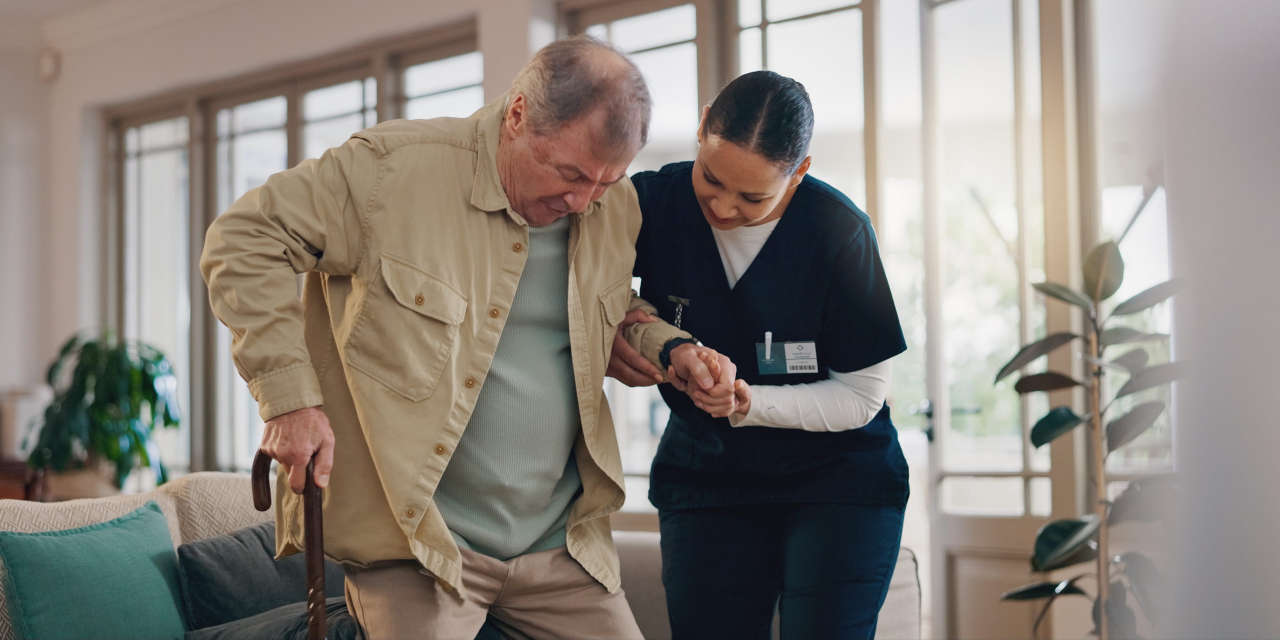
A moment many families recognize: Steve arrives to visit his stepfather, Gary, and learns that a fall happened minutes earlier. Gary is okay — but the house manager apologizes anyway, carrying guilt for something that may not have been preventable.
That small exchange reveals something big: senior living often operates under a cloud of unspoken fear — fear of blame, fear of lawsuits, fear of losing trust — even when everyone knows aging includes risk.
The Hard Truth: You Can’t Eliminate Gravity
The only way to prevent falls entirely is to restrain people, and that’s not the point of care.
The goal shifts: communities can’t prevent every fall, but they can reduce unknowns, improve interventions, and support caregivers so they don’t carry the burden alone.
Transparency Is Not A Nice-to-Have
Families get fragments — “mom fell,” “missed medication,” “doctor appointment” — but rarely the full context. That fragment-based communication breeds anxiety and distrust, even in good communities.
Transparency helps caregivers and families move from emotional reaction to shared problem-solving.
Proactive Care Starts With Better Visibility
Proactive care is what happens when teams can see patterns and pain points — hydration, mobility, medication factors — and adjust care plans before the next incident.
That’s also where technology, workflow, and culture collide. If the floor is drowning in paper and disconnected systems, communication breaks down — and the resident becomes a series of tasks instead of a whole person.
The Cultural Shift Hiding In Plain Sight
Near the end of the conversation, Lindsey and Steve land on something that sounds small but isn’t: language. Imagine caregivers answering “What do you do?” with: “I transform lives.”
That sentence changes posture. It changes pride. It changes how the industry talks about itself — and how the world hears it.
“Heard in the Halls” is positioned to make that kind of shift feel normal: more honest conversations, more connected perspectives, and a senior living story that finally sounds like real life — because it is.