

By Rebecca Wiessmann
This article is based on the Pivot with Pettit episode “From City Planner to Senior Living Pioneer: Mitch Brown on the Future of Senior Living.” Watch the full conversation on YouTube.
Active Adult Didn’t Arrive With A Grand Plan
Senior living loves origin stories.
Usually, those stories are a little cleaner than reality.
One of the best parts of Bill Pettit’s conversation with Mitch Brown is hearing how active adult did not emerge from a giant whiteboard strategy session or a perfectly timed market thesis. It emerged the way many good ideas emerge in this industry — through a problem, a half-finished building, some market intuition, and a willingness to try something that did not fit neatly into the existing categories.
That matters because active adult is now one of the most talked-about segments in senior housing. But Mitch’s story is a reminder that before it became a category, it was simply a response to unmet demand.
A Building No One Quite Wanted
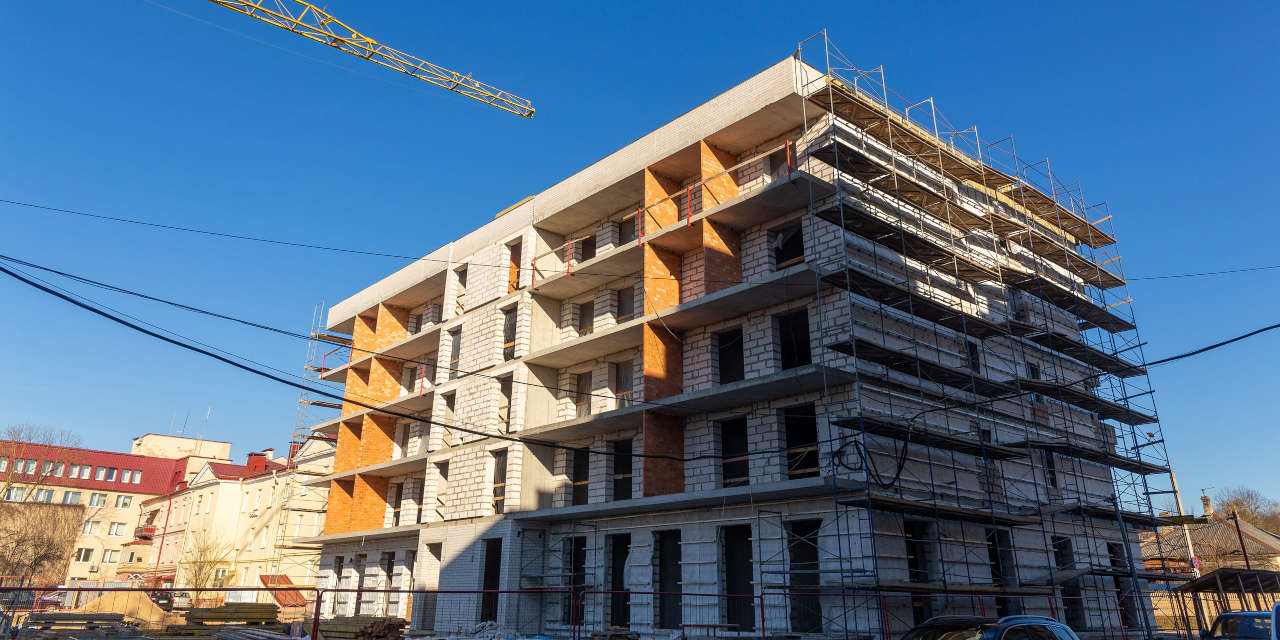
Mitch describes a partially constructed project in Orange County that had originally been intended for assisted living. The bank had effectively walked away from it. The market did not support the original plan. The asset needed a new idea.
Instead of forcing it into the wrong box, Mitch saw something else.
He saw demand for modest, independent housing for older adults at a good price and without a government subsidy. Not luxury. Not licensed care. Not a traditional independent living community with all the bells and whistles. Just a place that met a real need for older adults who wanted something simpler and more affordable.
The result was 139 units in Laguna Hills.
The rent was around $600 a month.
And the community leased all 139 units in 90 days.
That is not just a success story. That is market feedback.
The Industry Was Already Changing
What makes Mitch’s view especially helpful is that he connects this early experience to a larger shift that was already underway.
Even in the late 1990s and early 2000s, he and others could see traditional independent living changing. Residents were moving in older. Frailty was increasing. The product was drifting away from truly independent older adults and toward a customer with more needs and, often, a higher price point.
That left a gap.
A lot of people did not need licensed senior living. They did not want traditional multifamily housing either. They wanted age-friendly housing, lifestyle, community, and ease — but without all the structure and cost that came with full-service senior living.
That gap is where active adult began to make sense.
Not as a buzzword. As a response.
The First Try Wasn’t Easy
One of the reasons this episode works so well is that Mitch does not romanticize any of it.
He and his team later built more active adult communities in California through Kisco, and they quickly discovered that running them was not simple. In fact, one of the most important lessons in the interview is that active adult is not just senior living with less care, and it is not just multifamily with older residents.
It is its own thing.
That sounds obvious now, but apparently it was not obvious then.
Their operators, who were excellent in traditional senior living, struggled. The staffing model was different. The service mix was different. The residents were younger and wanted something different. The whole operating approach needed to shift.
So they pivoted.
They brought in a multifamily partner to handle the multifamily side while Kisco handled the senior housing side — sales, lifestyle, marketing, and the resident experience. In other words, they stopped trying to force one existing model to do a job it was not built to do.
That decision feels important.
Too much of senior living innovation is really just old operating assumptions wearing new clothes. Mitch’s story suggests that active adult only started to work when they respected the fact that it was different.
Why This Still Matters
This is not just a story about what happened years ago.
It is a story about what the industry still gets wrong.
Active adult is sometimes treated as easy because it appears lighter. Fewer services. Less care. Leaner staffing. Simpler buildings. But that can lead to the mistaken belief that it requires less thought.
Mitch makes it clear that it requires different thought.
Different customer. Different economics. Different sales process. Different expectations. Different psychographics. Different ways of building community.
That may be one reason the segment continues to attract interest while also frustrating people who underestimate it.
The Bigger Lesson
There is a bigger point sitting underneath all of this.
The best innovations in senior living often happen when someone notices the market changing before the language catches up. Mitch and others saw a customer who was not well served by existing options. Then they started building for that customer.
That is what the industry has to keep doing.
Because active adult itself may not be the final answer. It may just be one more chapter in a broader rethinking of how older adults want to live.
And if Mitch Brown’s story tells us anything, it is that the next big idea in senior living may already be sitting there in plain sight — half-built, badly categorized, and waiting for someone to see what it could become.