

By Rebecca Wiessmann
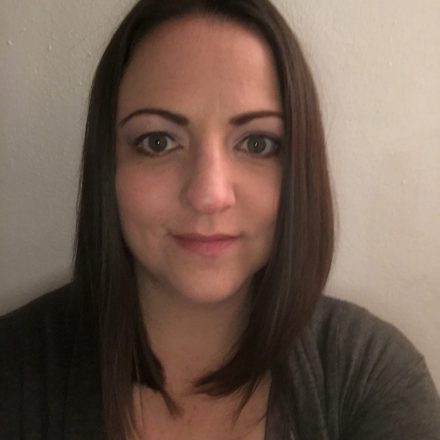
In this episode of Heard in the Halls, Lindsey Daugherty sits down with Serina Durrah, VP of Operations at Clayborn Senior Living, to talk about leadership, residents, frontline teams, and what happens when a caregiver grows into an executive leader. Watch the full episode here.
There is something powerful about a senior living leader who remembers what it feels like to be a caregiver.
Not in a sentimental, “I started there once upon a time” kind of way.
In a practical, operational, decision-making kind of way.
Serina started as a caregiver. She worked her way through multiple roles before becoming an executive director and then moving into broader operational leadership. Her path is not just inspiring. It is instructional.
Because senior living has a leadership pipeline problem sitting in plain sight.
The next great executive director, regional director, VP, COO, or CEO may already be working in the hallway.
The question is whether anyone sees her.
Speak Possibility Into People
Lindsey asks Serina what she would say if she could go back and talk to her caregiver self.
Serina says she would tell herself she is proud of her.
Then she adds the lesson: Never forget where you came from.
She also says she would tell her younger self, “You are more talented than you think.”
That may be one of the most important leadership responsibilities in senior living: speaking possibility into people before they can fully see it in themselves.
Caregivers often enter the industry unsure of what is possible. Some are young. Some are raising families. Some are working multiple jobs. Some are exhausted. Some are incredibly talented but have never had a leader say, “You could do more.”
Serina says someone gave her a chance.
That is how leadership pipelines are built.
Not with posters.
Not with slogans.
With leaders who notice talent, mentor it, challenge it, and open doors.
Do Not Delay
When Lindsey asks what Serina would say to a caregiver today, her answer is direct: Do not delay. Do not worry about what you have or do not have. Do not worry about what others think you can or cannot do. Keep moving forward.
That message matters because senior living needs more leaders who understand the work from the inside.
It needs leaders who know what a rushed shift feels like.
Leaders who know how family members talk when they are scared.
Leaders who know what residents notice.
Leaders who understand that a “minor” process change may land like a brick on a care team.
Leaders who know that compassion and performance are not enemies.
One of the most hopeful things about senior living is that it still offers a path upward. A person can start on the frontline and grow into leadership. Serina’s story proves it.
But it does not happen automatically.
It requires mentorship.
It requires trust.
It requires leaders who are secure enough to grow people who may one day outgrow them.
Serina says watching people grow has been one of the happiest parts of her career. That is the kind of leadership senior living needs more of.
Residents Are Watching
The conversation eventually turns to residents, because residents are in the middle of all of this.
And Serina makes another point leaders should not miss: Residents notice.
They notice when a caregiver is not doing a great job.
They notice when a leader is not doing a great job.
They notice when someone never leaves the office.
They notice when staff members are supported — and when they are not.
Residents may not understand every operational challenge. They may not know about the financial call, the budget deadline, the labor target, the staffing issue, or the regional report due by 3 p.m.
But they know presence.
They know warmth.
They know when a leader is visible.
They know when the community feels healthy.
They know when the team is strained.
They know when nobody is listening.
That should sober up every leader in senior living.
Culture is not hidden from residents. It leaks into every hallway, every dining room, every apartment, every family interaction.
Get Lost In The Halls
Serina says one of her favorite things when visiting communities is talking with staff and residents. Sometimes she gets lost in those conversations.
That is not inefficiency.
That is leadership.
Senior living executives should get lost in the halls more often. Not because it sounds nice. Because that is where the truth lives.
The halls reveal what reports cannot.
They reveal whether residents feel known.
They reveal whether staff feel seen.
They reveal whether leaders are trusted.
They reveal whether the community is actually living its mission or merely printing it on brochures.
A leader who never gets lost in the halls will eventually get lost in the business.
The Game Changers
Lindsey closes by telling Serina that leaders who start as caregivers and work their way up are game changers.
She is right.
They are game changers because they carry the memory of the work. They understand both sides of the business: the human side and the performance side. They know that results matter, but they also know how results are created.
They are created by people.
By caregivers who show up.
By nurses who stay calm.
By dining teams who know resident preferences.
By housekeepers who notice changes.
By executive directors who build trust.
By regional and corporate leaders who listen before they launch the next initiative.
The Bottom Line
Senior living talks a lot about workforce challenges.
But perhaps one of the biggest opportunities is already inside the building.
Find the caregiver with spark.
Find the med tech who asks good questions.
Find the housekeeper residents love.
Find the dining team member everyone trusts.
Find the frontline person who sees problems and says, “There has to be a better way.”
Then mentor them.
Challenge them.
Promote them.
Speak into them.
Because the next great senior living leader may not be outside the industry.
She may already be in the hallway.