
By Rachel Hill
What if the real promise is not simply support, safety, or independence, but the chance for families to become families again?
Ask most senior living organizations to explain their value proposition, and you will hear familiar language: exceptional care, engaging lifestyles, beautiful environments, peace of mind, and greater independence.
Those things matter. But they may not be the thing families need to hear most.
In a conversation with Juniper Communities founder and CEO Lynne Katzmann, SMASH founder Bailey Beeken offered a much more personal possibility: “Reunite with your family.”
It is a simple idea with enormous weight behind it.
When an older adult begins to need more support, family relationships often change gradually and then completely. A daughter who once called to talk about the grandkids is suddenly coordinating medication refills. A son who used to stop by for dinner now spends the visit reviewing bills, checking the refrigerator, and confirming the next doctor’s appointment.
The love is still there. But it becomes buried beneath logistics.
Family members do not stop being daughters, sons, spouses, or friends. Yet caregiving can force them into roles they never expected and may not be equipped to manage. Their conversations become task lists. Their time together becomes work. Every visit carries another responsibility.
Senior living has traditionally responded by emphasizing what the community can do for the resident. Perhaps the stronger story is also what the community can give back to the family.
It can give a daughter permission to be a daughter again.
It can allow a spouse to spend an afternoon holding a hand instead of managing a medication schedule.
It can help a grandchild hear the old family stories because the adults in the room are no longer distracted by everything that needs to be done before they leave.
That is not a secondary benefit. It may be one of the industry’s most meaningful outcomes.
Independence Is Not Always What Families Think It Is
There is a persistent fear that moving into senior living means closing the door on independence. For many older adults, it can feel like surrendering control. For their families, it may feel like breaking a promise.
But sometimes the opposite is true.
When daily life has become a constant struggle to coordinate meals, transportation, home maintenance, medical appointments, and personal care, independence may already be disappearing. The person may still live in the same house, but the life they once enjoyed inside it has become smaller.
The right senior living environment can reopen that life. It can create room for friendships, interests, movement, purpose, and spontaneous connection. It can also remove enough of the caregiving burden that family members can reconnect emotionally.
That is a radically different story from “Mom needs care.”
The story becomes: “We want Mom back.”
Stop Selling a List of Services
Senior living marketing is often crowded with features. Three meals a day. Transportation. Wellness programming. Medication management. Housekeeping. Activities.
Every one of those services has value, but families do not make life-changing decisions based only on a checklist. They make them because they want life to feel better than it does today.
The best marketing helps people see that better future.
Show the daughter arriving without a folder of medical paperwork tucked under her arm. Show the spouse sharing a meal without worrying about preparing it. Show the family laughing together because someone else has taken responsibility for the tasks that once consumed every visit.
The industry should not minimize care. It should explain what excellent care makes possible.
That is the difference between selling services and communicating transformation.
A Question Worth Asking
Every operator should ask: If our team does its job exceptionally well, what relationship do we give back to this family?
The answer may be more compelling than any amenity, floor plan, or dining program.
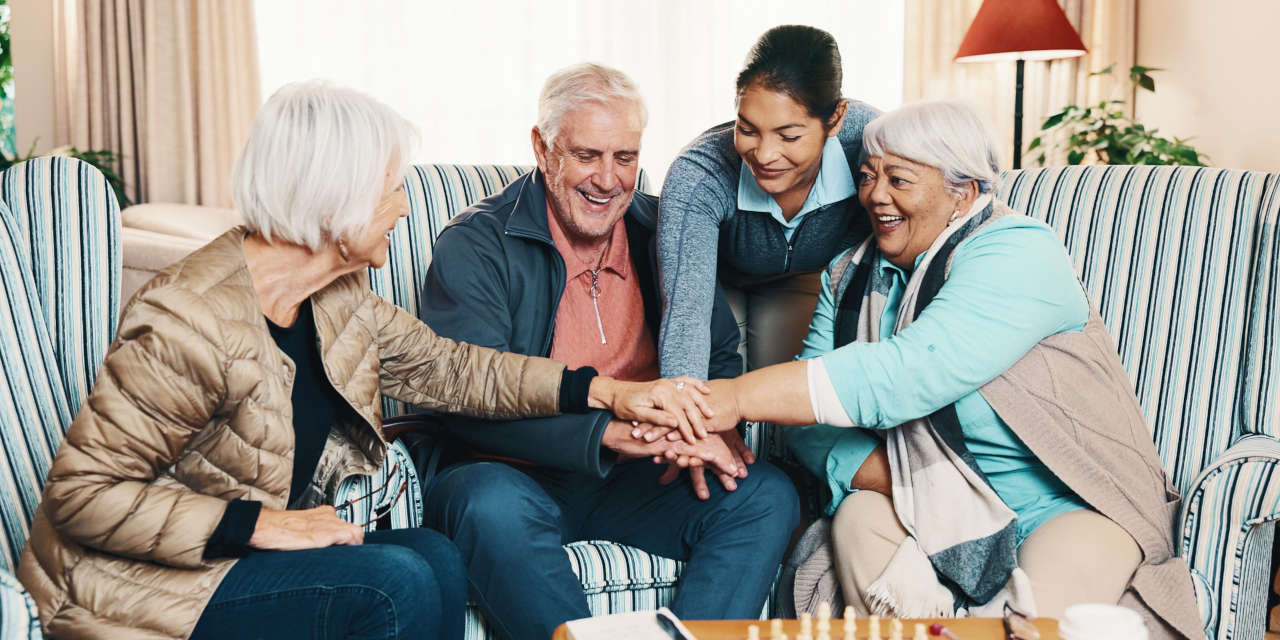
Senior living provides care. At its best, however, it does something even more human. It creates the space for people to stop managing one another and start loving one another again.
Maybe that is the promise families have been waiting to hear.