

By Steve Moran
I want to say something that senior living marketing almost never says out loud. Something that I think is more emotionally true and more powerful than almost anything else we could say to a prospective resident.
Your friend circle is shrinking. And making new close friends at this stage of life is really hard.
There are a few reasons why we don’t talk about it:
- It’s negative, and we don’t like talking about negative things.
- Most salespeople are young enough not to have really experienced the shrink in any meaningful way.
Before Your Old …
When you’re in your 40s, friends accumulate almost automatically. Through work. Through your kids’ activities. Through the neighborhood. Through the organizations you belong to. You don’t think about it much; it just happens. The structures of your life generate connections without you having to manage them.
Then things start to change. You retire. The professional relationships that felt like friendships turn out to have been mostly about proximity, and they fade. Your kids move away, and the friendships built around their school and their activities go with them.
The neighbor, who was one of your closest friends, relocates to be near their grandchildren. Someone you’ve known for thirty years gets sick. Someone dies. Someone simply drifts.
And Then One Day …
Then one day, usually so gradually you don’t even notice it, you realize that the people you used to see without thinking, you now have to schedule. And you schedule them less and less. Not because you don’t want to. Because life is complicated and distance is real and everyone is busy, and it’s harder than it used to be.
Nobody wants to admit this is happening because it feels like failure somehow. Or like admitting to something embarrassing. But it isn’t failure. It’s physics. It’s what happens when the structures that automatically created connections in your life start falling away.
Friend-Making Machines
Imagine that all the senior living communities out there committed to be “Friend Making Machines.” (Maybe I should trademark that term, but I won’t, and you are free to use it.)
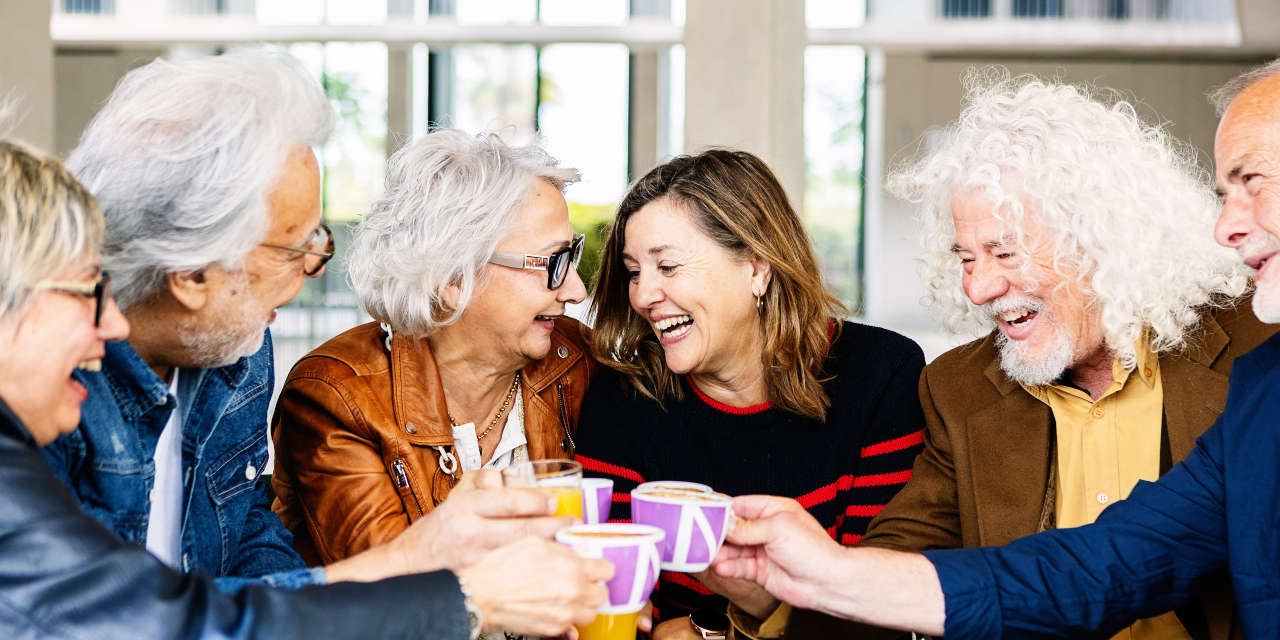
Not the passive kind of friend-making, where you hope people will connect. The active kind, where proximity, shared meals, regular programming, and a physical environment designed for encounters create the conditions for real friendship to develop. Hallways where you see the same people every day. A dining room where you sit with different neighbors and actually talk. An interest group where you meet someone who shares a passion you thought you’d have to pursue alone.
That might be the most important thing we can offer. More important than the safety features. More important than the care. More importantly, honestly, than almost anything else we could put in a brochure.
So why aren’t we saying it?
Why aren’t we selling it?
Why is senior living marketing full of language about shallow vacation-style experiences (that are great but lonely) or about care, fall prevention, medication management, and peace of mind, when what a 72-year-old who hasn’t made a new friend in five years really wants to hear is: Come here, and you will find your people?
I am convinced a big part of the problem is that naming the loneliness feels presumptuous. Like we’re pointing at something people haven’t invited us to point at. It’s a legitimate concern; it needs to be approached carefully, without making anyone feel exposed or accused.
But done right, naming this truth is an act of profound respect. It’s acknowledging something very real about growing older. And the prospect who hears it who recognizes it as true for their own life feels seen and heard in a way that no amount of language about amenities and safety features can achieve.
The friend-making capacity of a good senior living community is a powerful health benefit. The research on social connection and longevity is clear and compelling. We’re not overselling when we lead with it. We’re finally telling the truth.