
By Steve Moran
Just for fun … and I love attending NIC events … and they are the premier gathering of senior living leaders …
===
I woke up in the middle of the night and started doom-scrolling through photos of the outrageous, outlandish costumes worn by some Met Gala attendees.
I got curious about all the details of the Met Gala: who gets invited, how the whole costume thing works, what it costs, and of course, who is frozen out. It is complicated, expensive, and fraught with landmines. It is also, when done right (as I understand it), a place to network at the very highest level … Just like the NIC fall conference.
And just like the Met Gala, even though I manage to sneak into the conference, I feel like I am more like one of the “gown fluffers” — that’s a real term and a real job people get paid to do, the ones who make sure the trains are spread out just right and everything looks perfect for pictures — than someone on the inside.
NIC Fall Conference
Every September, the most powerful people in senior living and seniors housing descend on a hotel in Chicago or another big city to get deals done. Relationships get made. Capital flows. Fortunes shift.
And every year, I show up in Chuck Taylors.
I have been attending NIC Fall for more years than I care to admit. I have watched it evolve. I have witnessed the rituals. And somewhere along the way, I realized that what we have here is not a conference. It is the Met Gala. With better food, worse fashion, and nobody willing to admit they got dressed for the occasion.
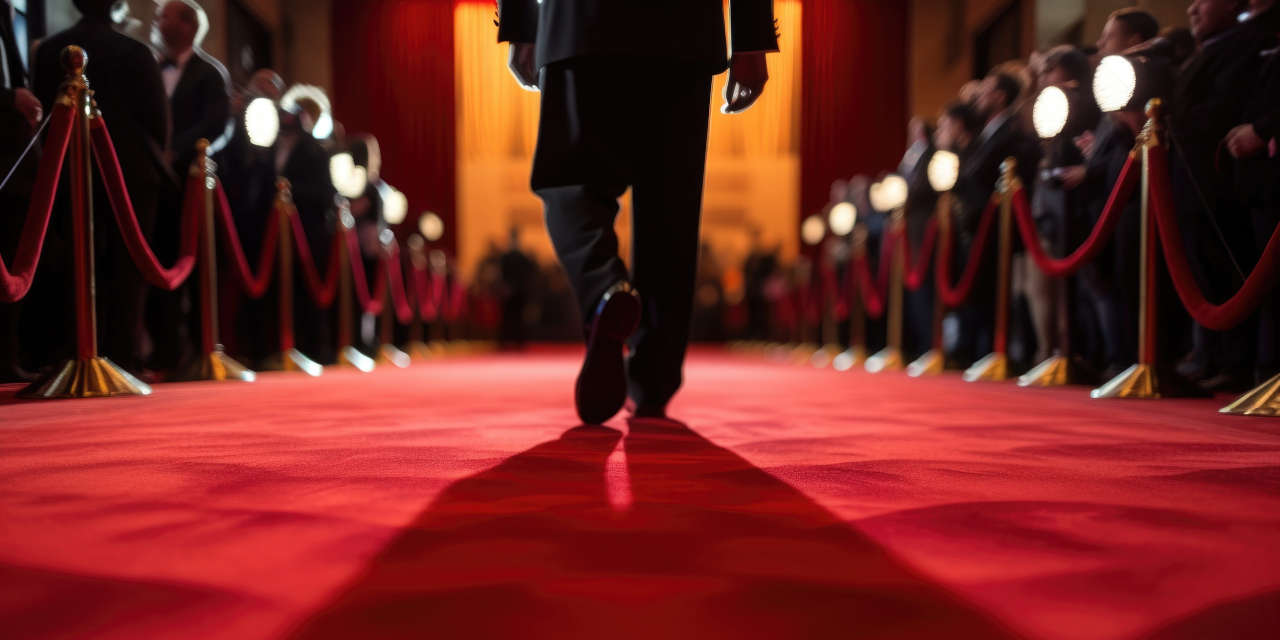
The Lobby is The Red Carpet
At the Met Gala, celebrities arrive on the steps of the Metropolitan Museum and pause for photographers. Everyone is watching. Everyone is calculating. Who came with whom? Who went up the stairs alone? Who got the placement?
At NIC, the red carpet is the hotel lobby. Nobody has a camera (well, even that is not quite true), but make no mistake, everybody is watching. The moment you walk through those doors, the social algorithm kicks in. You are being assessed. Your lanyard is being read. Your company name is being filed away. The question is not “who are you wearing?” The question is “who are you with and how much are you deploying?”
I walk in every year in Chuck Taylors and a blazer that has seen better days. I am not sure what the algorithm does with me.
The Outfits Tell the Story
At the Met Gala, fashion is armor. The right dress signals everything: your boldness, your budget, your brand, your publicist.
At NIC, the uniform is a dark suit or a blazer with a pocket square that says “I am serious but approachable.”
The shoes matter more than anyone will admit. There is a reason the private equity guys all seem to be wearing the same Italian leather. It is not an accident. It is a message.
And the big-money folks and the operators each have their own style, from loafers to HOKAs to cowboy boots.
Then there is me in my Chucks; they are part of my costume, and they send a message too. They have a story to tell about wanting to be someone who makes the world a better place. It also says “authentic media voice, senior living, and truth teller.” The guy from the capital markets firm who looked at my feet and then looked away says something different.
The Front Table
At the Met Gala, where you sit at dinner tells you exactly who you are. Anna Wintour does not put you at the front table by accident. The front table is a statement.
NIC has a similar system. The sponsored dinners. The general session seating. The breakfast roundtables where the real conversations happen. Some tables are more privileged than others, a lesson I learned the hard way one year …
I will not name the year or the people. I arrived early to the general session, spotted an open seat at the front table, and sat down with the confidence of a man who has attended this conference many times. Within four minutes, a very polite but very firm person informed me that those seats were reserved. I smiled, said “of course,” and walked myself to a much less prominent position.
The Stage
At the Met Gala, certain people get to speak. They are photographed. They are quoted. They are on the program.
At NIC, there is a stage. Smart, credentialed, well-connected people stand on it. They have opinions about cap rates, workforce housing, and what the Fed is going to do. They have slides. People listen.
I have never been on the stage.
I have interviewed many people who have been on the stage. I have written about what the people on the stage said. I have published those articles. Several people on the stage have told me they read my stuff. And then they went back on the stage.
I wave to them from the sidelines …
The After-Party
The Met Gala after-party is legendary. Exclusive. You either got an invite or you did not.
NIC has a version of this. You know the ones. The hospitality suites. The private dinners that are not on the official schedule. The gatherings that happen after the gatherings. These are where the real deals get done, the real relationships deepen, the real conversations happen.
I have been to a few of these. Mostly because someone felt sorry for me or because I asked directly, which, it turns out, is a surprisingly effective strategy. Nobody expects the guy in Chuck Taylors to just ask.
What It All Means
Here is the thing about the Met Gala. For all the spectacle and the posturing and the fashion armor, it is fundamentally about people who care deeply about being seen by the right people, in the right light, at the right moment. The performance is real. The stakes are real. The relationships that get made in that room change careers.
NIC is exactly the same thing. The suits are the gowns. The sponsored dinners are the front tables. The stage time is the red carpet moment. And everybody, everybody, is performing something.
I have made my peace with my role in the performance. I am the guy in the Chuck Taylors who writes about what he sees. Somebody has to do it.
See you at the next event.
A final note … While the NIC events are the most prominent, most glamorous aspect of NIC, I need to point out that NIC is so much more than an entity that hosts conferences. They are a top-tier research organization and a top-tier educational organization. They make the industry better for people.