

By Russell M. Rush
Our homes grew larger while our households grew smaller. Did we lose something along the way?
For most of American history, living alone was unusual. Families shared homes, meals, and responsibilities. Children grew up surrounded by parents, siblings, and often grandparents.
Today, millions of older Americans live alone, often in houses that once held entire families. How did we get here?
Six People in 831 Square Feet
In 1790, the average American household had nearly six people living in a house of roughly 831 square feet. That works out to about 140 square feet per person, including bedrooms and kitchens.
Life was harder then, and we shouldn’t romanticize it. But one thing was different: people generally lived with other people. Meals, conversation, and chores were shared by default.
Over the next two centuries, homes got bigger, and households got smaller. And more of us began living alone.
From One in Twenty to Nearly Three in Ten
Here is the share of U.S. households made up of just one person:
- 1900: 5.1%
- 1940: 7.7%
- 1970: 17.6%
- 2000: about 26%
- 2025: about 29%, or roughly 39.7 million households
In 125 years, that share has grown more than fivefold. Meanwhile, we added bedrooms, bathrooms, and personal space. We gained room and lost roommates.
Rising incomes, smaller families, greater mobility, changing marriage patterns, longer lives, and the ability to afford our own place all played a part. These changes brought real freedom. They also changed the social fabric of daily life.
What Happened to Older Adults?
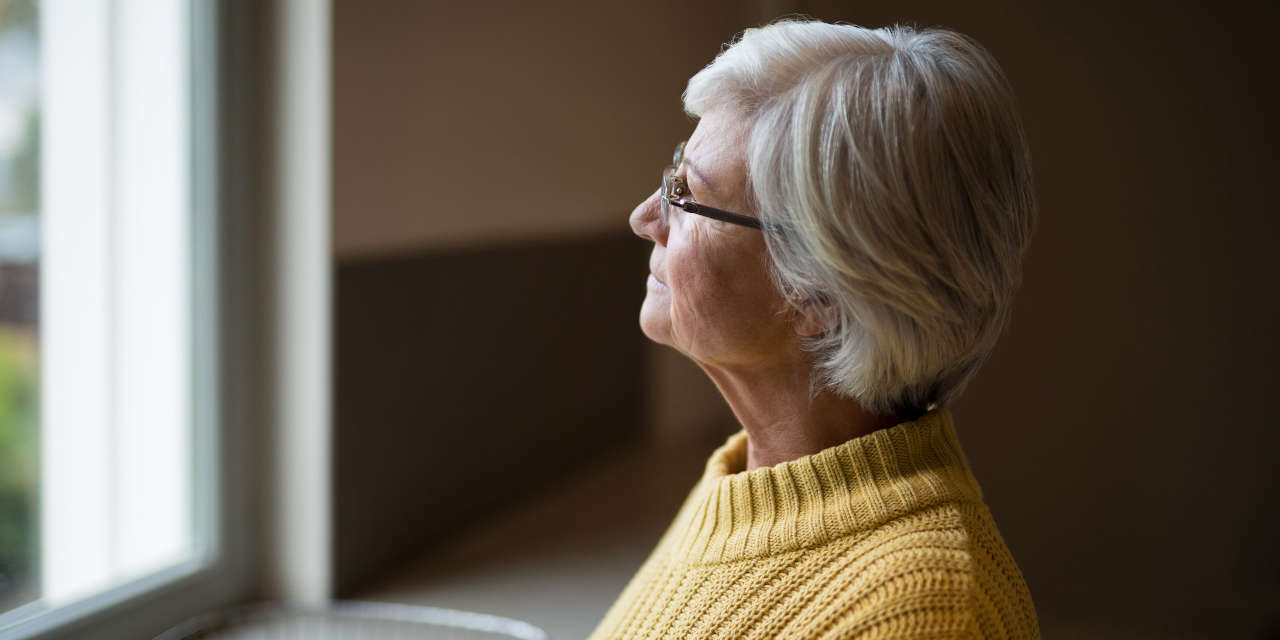
For older adults, the effects can be especially sharp. A house that once held parents and children eventually holds a couple. Then, after a spouse dies, one person. The children have their own households, sometimes far away. Friends move or pass away. Driving gets harder, and familiar activities become harder to reach.
The Federal Reserve’s May 2026 report found that about 20% of Americans age 60 and older live alone. That’s one in five.
Living alone isn’t the same as being lonely, and many older adults keep full social lives. But for those whose connections have thinned, square footage has little to do with quality of life. Picture someone in a 2,500-square-foot house, beautiful and full of memories. How many hours of their day involve meaningful human interaction? How often do they share a meal? How many chances do they have for spontaneous conversation and laughter?
The question isn’t whether they have enough room. It’s whether they have enough people.
An Unexpected Side Effect
There’s a housing angle, too. An April 2026 Redfin analysis of Census data found that empty-nest baby boomers own about 28% of America’s homes with three or more bedrooms. Millennial families with children own about 16%.
Older homeowners didn’t create the housing shortage, and they have every right to stay in homes they love. But consider the possibility: what if more older adults living alone found a better daily life in a senior living community? Their homes could open up for younger families who need the space, and they could gain friendship, belonging, and purpose. Both generations could benefit.
Rethinking Senior Living
For decades, many people have seen senior living as the place you go when care becomes necessary. That deserves a second look.
A well-run community offers what a big house can’t: daily chances to build relationships, share meals, and feel part of something. The apartment is a comfortable personal home. The dining rooms, gardens, and gathering spaces extend it. And other people become part of everyday life again.
Not everyone needs to move. Plenty of people are happy and connected right where they are. But for those spending more and more time alone, senior living deserves consideration long before a health crisis forces the decision.
Are We Measuring the Wrong Thing?
For more than two centuries, we have chased bigger homes and more personal space, and in many ways it has improved our lives. But the history of American households points to something that matters just as much: the people we share our lives with.
Older adults may not need more bedrooms or bigger kitchens. They may need more friendships, more belonging, and more reasons to look forward to tomorrow. Senior living’s greatest opportunity may be helping them discover that before they truly need care.
Because a bigger house doesn’t necessarily mean a bigger life.
Russell M. Rush is Managing Partner of R3R1 Consulting Group, LLC, a senior living performance improvement consultancy based in Estero, Florida. Learn more at r3r1.com.