
By Steve Moran
Every senior living operator I’ve ever talked to says they care about families. Most of them mean it. And most of them do very little to actually care for them.
I know because I am a senior living consumer who is happy with the community caring for my loved one, and yet…
Three Opportunities
1. The decision process – In most cases, the adult child is making the decision to move a loved one into senior living, and it is one of the hardest things they’ve ever done. They’re usually working full-time. Managing their own household. Carrying a weight of guilt they can’t fully articulate, because even if they know this is the right decision, it feels like a betrayal of some implicit promise that family takes care of family.
Most communities treat the family member as an obstacle to be overcome, someone to be convinced. All the salesperson has to do is respond to their objections. Answer their questions. Get them to yes.
When it is done right, the community sees the family member as the primary customer/prospect. Someone who needs help understanding why the move to senior living is the right thing, and why it will be better for the older one and the entire family.
They will be the customer who receives services and support because they often need support and community as much as, or more than, the residents.
2. Post Move-in – This is where the failure becomes most evident. The move-in has occurred, the checks are flowing, and care is being provided … to the resident. The family comes to visit, and it is awkward and confusing; it is often hard to know what to talk about.
Family members are full of guilt but don’t really know why. They feel no real sense of connection to the community or the staff. It’s just “the home” where they put mom.
They mostly hear from the community only with periodic blanket updates, when there is a problem, or when care charges and/or rates are going up.
But what if every day it was fun stories and photos? What if it were simply an occasional message along the lines of “We love your mom and here is why”?
3. This is the biggest and most interesting one … and the most underdeveloped. – Most adult children of senior living residents are in their 50s, 60s, and even 70s. They are in their own period of social transition. Their career is winding toward its final chapter. Their own friend circles are starting to thin; the same physics I described when talking about their parents are starting to apply to them, too.
They’re quietly beginning to have some of the same questions their parents are facing.
What if the community built something for them?
Not just a family lounge. Not just a holiday party. Real events. Dinners that feel worth attending. Interest groups that they could actually join. A genuine sense that they belong to something here, not just that their parent does.
3 Generations
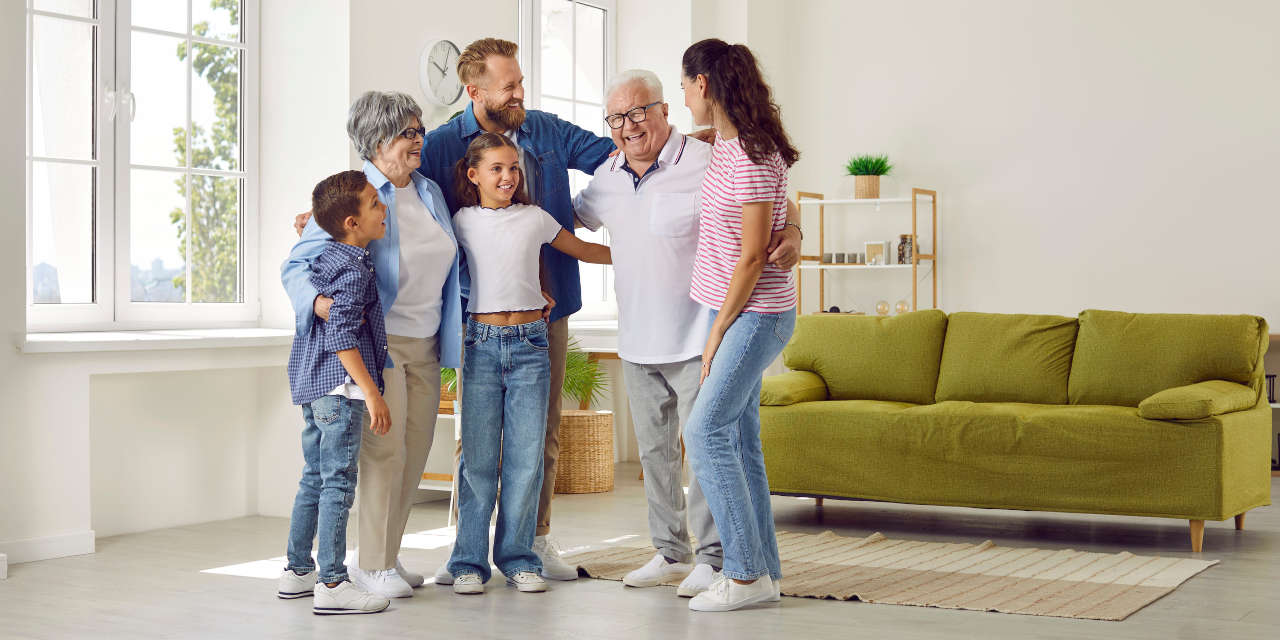
Your senior living community then becomes the hub for three generations: grandkids who beg to visit, adult children who genuinely want to come, and residents who feel at home. When this happens, you have built something almost impossible to compete with. It’s not a product anymore. It’s a relationship. And relationships are the most durable competitive advantage there is.
Nobody is doing this well yet. Which means the opportunity is wide open.